
Postpartum Pelvic Floor Physical Therapy in Portsmouth, NH
At Anchor Physical Therapy & Performance, we help women who are working towards getting back to their prior level of fitness. We work with weight lifters, runners, basketball players, skiers, and hikers.
“I cannot recommend Lauren enough! I was apprehensive about seeking out help with pelvic floor therapy for DR [diastasis recti] after having a child. Working with Lauren I quickly learned how much more of the body is related, the core is involved in everything.”
— Michelle
Who We Work With
-

Newly Postpartum
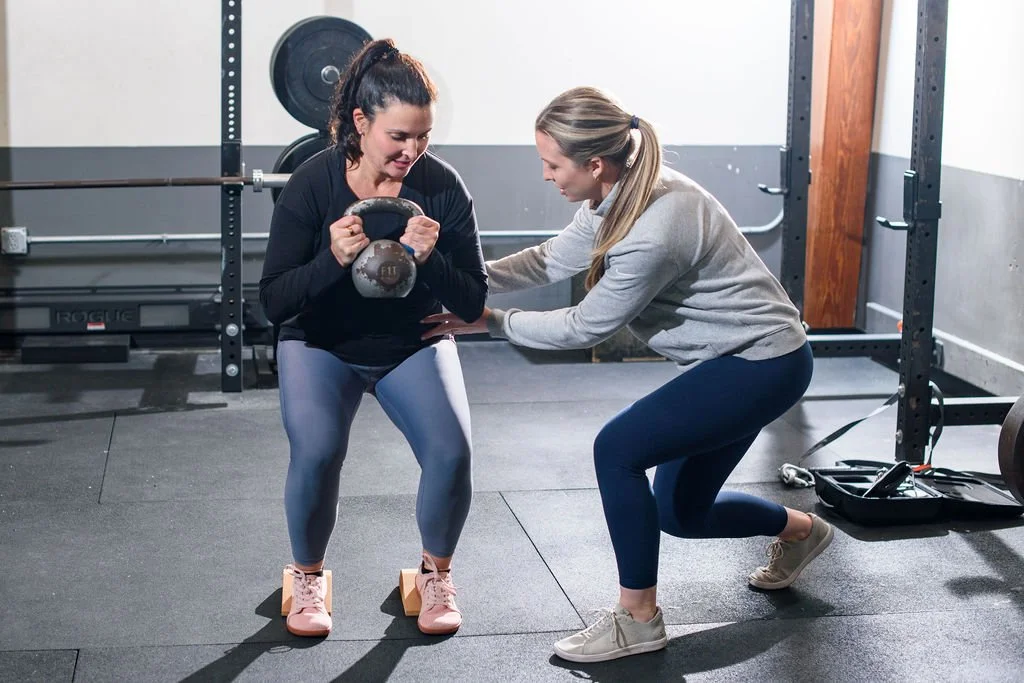
We start working with postpartum women around 3-6 weeks (both vaginal or c-section deliveries can benefit from pelvic floor physical therapy). We focus on restoring foundational pelvic floor and core function. We advance you through a home workout series that progressively gets more challenging as you recover. This takes anywhere from 3-6 months, and typically 12 sessions total.
-
Advanced Postpartum
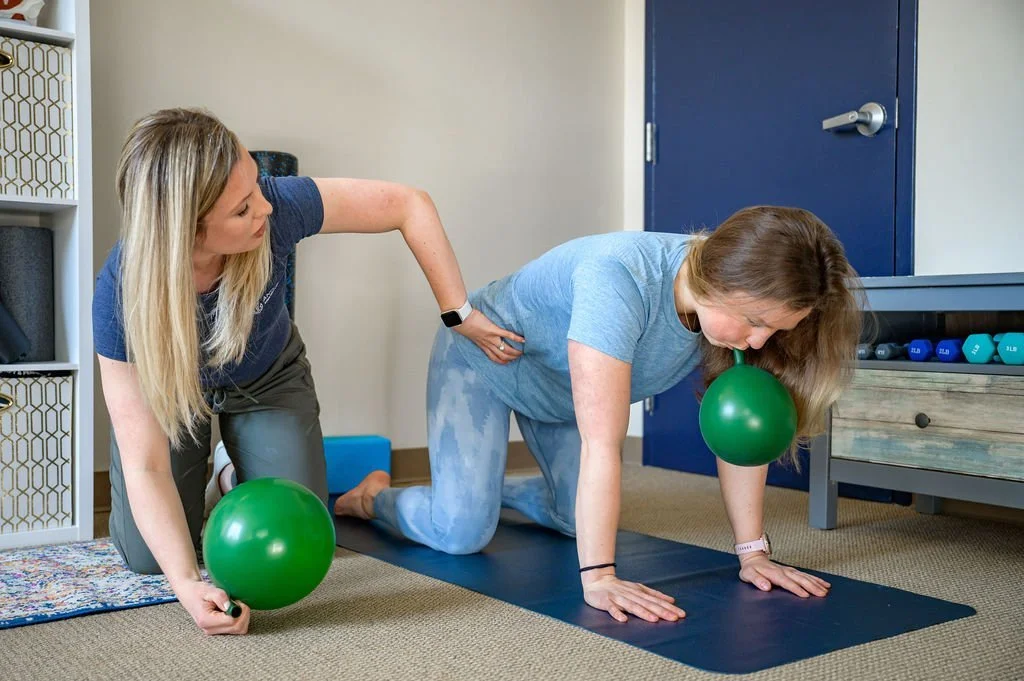
For those who may be over one year postpartum (maybe even 10 years postpartum!) We address any pelvic floor or core related concerns, but also take a look at how you are as a whole and address any hip, low back, etc pain that you could be experiencing. Our goal is to get you to move better in your body, and return to whatever level of fitness it is that you want to achieve.
-
Return to Sport
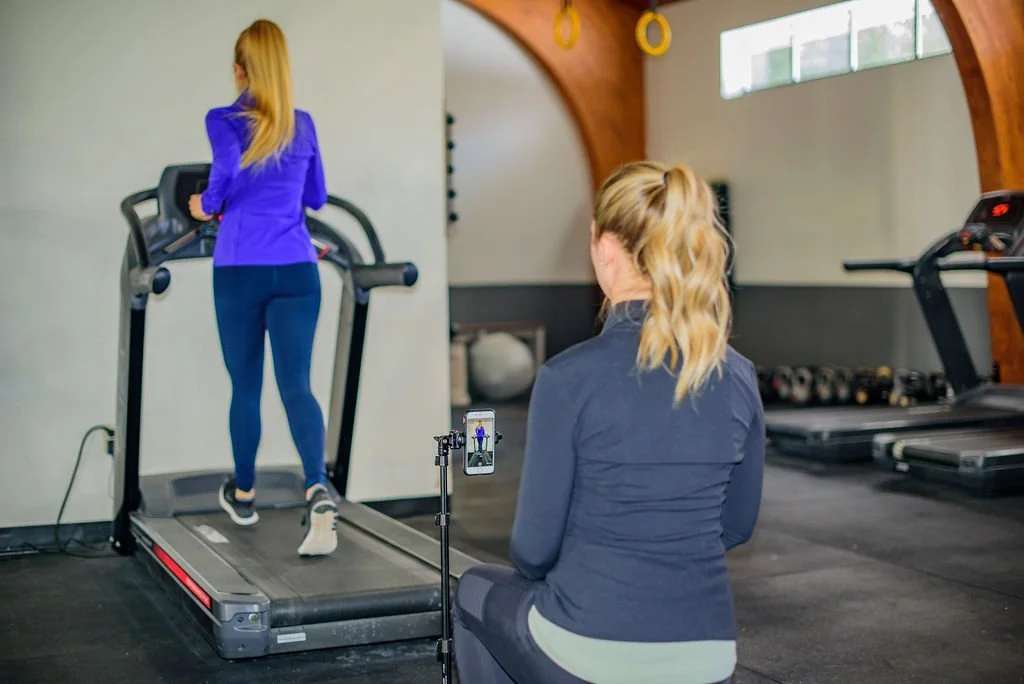
Using video gait analysis in addition to our movement screen and pelvic floor assessment, we will help you with your running form. We will create and monitor a return-to-run program for you. We do this in combination to our other postpartum corrective exercise program to ensure you stay injury free when working towards your running goals.
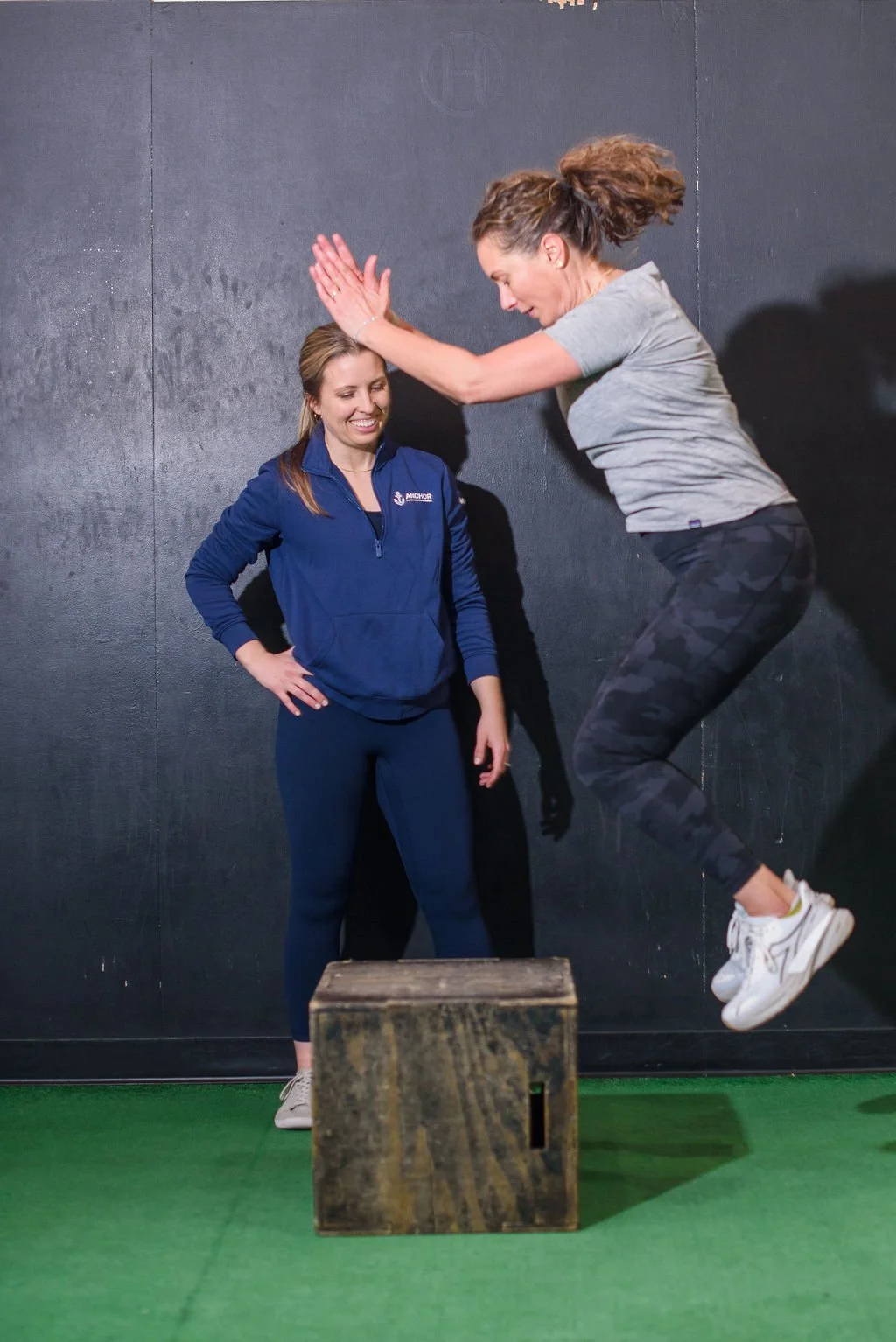
We customize our sessions to your unique athletic goals, even if it is not running. We work with a lot of women that want to get back to weight lifting safely, pilates, hiking, skiing, etc.

What Could Be Included In A Session
Pelvic floor assessment
Diastasis recti assessment
C-section management and core engagement
Movement assessment: determine if pelvic alignment, hip mobility, or spine health is impacting your progress
Running gait analysis
Parenting ergonomics (how to best carry a carseat, etc)
Form assessment for weight lifting
Manual physical therapy: trigger point dry needling, cupping, taping, joint mobilization, deep tissue mobilization
2-3 home exercises to ensure progress is being achieved
Conditions We Treat
Diastasis recti
Pelvic floor weakness
Pelvic floor tension/tightness
Low back pain associated with postpartum
SI Joint dysfunction
Pubic symphysis dysfunction
Urinary incontinence (leaking with running, coughing, jumping)
Pelvic pain
C-section recovery and rehabilitation
Constipation associated with postpartum
Rib flare
Sciatica
Wrist pain
Neck and shoulder pain
Upper back and shoulder blade pain
Many other diagnoses: we are sports physical therapists and can help you with any area of your body you are having difficulty with
Blog Posts to Check Out!
-
Am I ready to Run Postpartum?
-
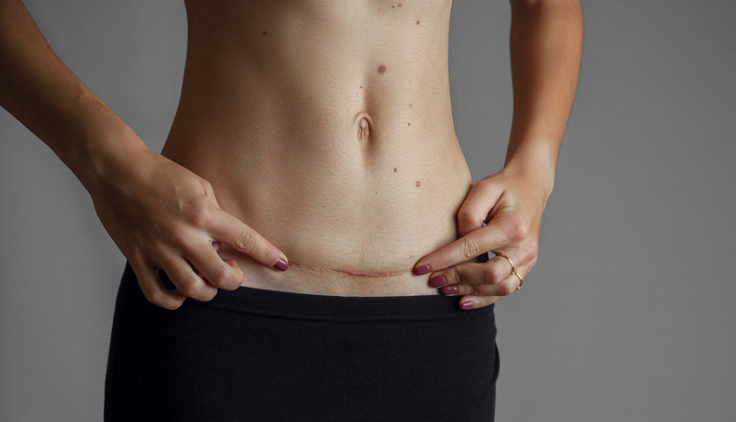
Early C-Section Recovery
-

What is Diastasis Recti?